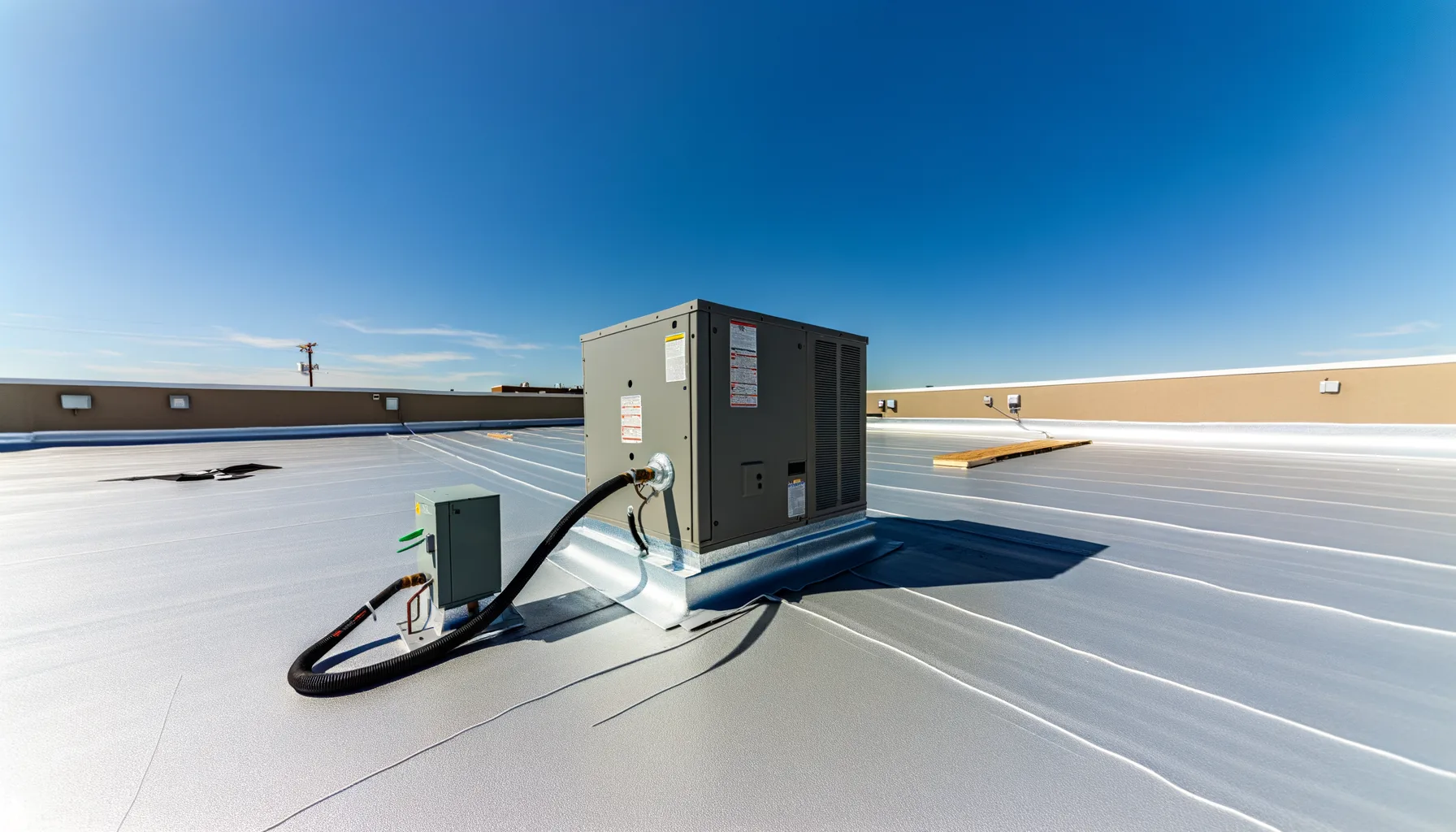
How to Prepare Your Orlando AC for Winter
Published: 2026-04-25 · By ColdPros Air Conditioning Repairs
Winter might not seem like an ideal time to think about air conditioning in Orlando, but the subtropical climate and unique environmental challenges in this sunny city require homeowners to stay vigilant. As temperatures drop, humidity levels can create a perfect storm for your AC unit to face corrosion and other issues. Proper maintenance is crucial in our region, especially when balancing humidity, salt air, and the possibility of winter storms. In this guide, we’ll explore how to best prepare your air conditioning system for the cooler months ahead to avoid unexpected breakdowns when temperatures rise again.
Why This Matters for Orlando Homeowners
For Orlando homeowners, neglecting the air conditioner in winter can lead to costly repairs when spring arrives. The combination of high humidity and salt air can quickly corrode metal components, leading to potential system failures. Furthermore, the tropical storms that occasionally sweep through the area can leave lingering moisture that makes your unit susceptible to mold growth. This is particularly concerning in elevated homes where moisture barriers may be compromised.
Another issue is that while many people use their heaters infrequently, not running your air conditioning system can lead to stagnant air inside your home. This often results in allergens and dust accumulating which can aggravate allergies and impact indoor air quality.
Even if you’re tempted to forego maintenance checks, remember: An ounce of prevention is worth a pound of cure!
Expert Solutions & Actionable Tips
1. Schedule a Pre-Winter AC Inspection
Before the temperatures drop, consider having a thorough AC inspection completed, typically costing between $75 - $150 in Orlando. During this visit, the technician will check for signs of corrosion, clean your coils, and ensure all parts are functioning optimally. It’s recommended to schedule this inspection at least one month before you expect to use your heater.
2. Clean or Replace Air Filters
Changing your air filter is essential for your unit's efficiency and longevity. In humid Orlando conditions, filters can become clogged with dust and moisture more quickly than in drier climates. Aim to replace or clean your filters every 1-3 months. Expect to pay around $10 to $30 for a quality filter, which will help maintain proper airflow and system efficiency.
3. Seal Ducts and Vents
Sealing leaks in your ductwork is vital for efficient heating. Leaky ducts can account for a significant energy loss, so using mastic sealant or foil tape can be effective for sealing any gaps; doing it yourself can save on professional fees. This process usually costs about $300 if you hire a professional, but doing it yourself can save money.
4. Check Your Condensate Drain Line
With humidity being a consistent challenge, ensuring your condensate drain line is clear will help prevent water damage caused by clogs. Regularly flushing the line with a 50/50 solution of vinegar and water can help. This simple maintenance step will cost very little but can save substantial expenses related to mold issues.
5. Store Outdoor Components Safely
If your AC unit has outdoor components, consider investing in weatherproof covers designed to protect them from salt air and moisture. These can cost anywhere from $50 to $100. Covers help prevent rust buildup and prolong the lifespan of your outdoor unit. Be sure to remove them when the unit is in use!
6. Monitor Your Energy Bills
Keep an eye on your energy bills during the winter months. A sudden spike in costs might indicate that your AC is working harder than it should. If you notice an increase, it may be worth it to contact a technician for a troubleshooting session, which usually costs around $75. Addressing issues early can save you from larger expenses down the line.
Orlando Climate & Local Context
Orlando's warm and humid climate demands that your air conditioning system operates efficiently year-round. Elevated homes with moisture barriers may mitigate some water damage risks, but corrosion can still take hold quickly. Local building codes often necessitate specific installations regarding ventilation and drainage, so it’s important to keep up-to-date with these regulations. Additionally, Orlando homeowners should consider seasonal tropics when planning long-term maintenance.
The presence of coastal salt air presents a unique set of challenges—many parts can wear down faster than expected. Balancing active maintenance, seasonal preparations, and routine inspections can ultimately protect your investment and maximize your comfort.
When to Call a Professional
Many homeowners may wonder when it's appropriate to tackle AC issues themselves versus calling in a professional. While some tasks like changing filters are DIY-friendly, several warning signs must be monitored closely before taking that leap.
- Unusual noises from the unit
- Persistent odors that suggest mold
- Frequent cycling on and off
- Visible signs of rust or corrosion
- An AC unit that leaks water
- Inconsistent cooling or heating throughout your home
If you experience any of these issues, it's wise to enlist the help of an experienced technician, as the underlying problems could lead to larger system failures and a hefty repair bill later on.
Frequently Asked Questions
How often should I schedule an inspection for my AC in Orlando?
It's advisable to inspect your AC at least once a year, ideally before the major shifts in seasons to ensure it operates efficiently during high-demand periods.
Can I run my AC in winter to maintain air quality?
Yes, running your AC can help circulate air and manage humidity levels, which is vital for maintaining good indoor air quality, especially during winter.
What are the signs my AC needs to be replaced?
Frequent repairs, high energy bills, and age—most units last about 10-15 years—are clear indicators that replacement may be necessary.
How can I protect my outdoor AC unit from salt air?
Using a weatherproof cover during the offseason can prevent exposure to corrosive elements while also cleaning the unit regularly to remove salt deposits.
What should I do if my AC starts leaking?
Turn it off and contact a professional immediately; leaking can lead to severe damage and might even affect indoor air quality.
Get Expert Air Conditioning Repair Service in Orlando
Your air conditioning unit is a major investment, and preparing it for winter is crucial. If you need help ensuring your AC is ready for the winter months, don’t hesitate to reach out to ColdPros Air Conditioning Repairs. Call us today at (689) 212-0954 and receive dependable service from your local experts!
We understand Orlando’s unique weather conditions and are here to assist you with all your HVAC needs.