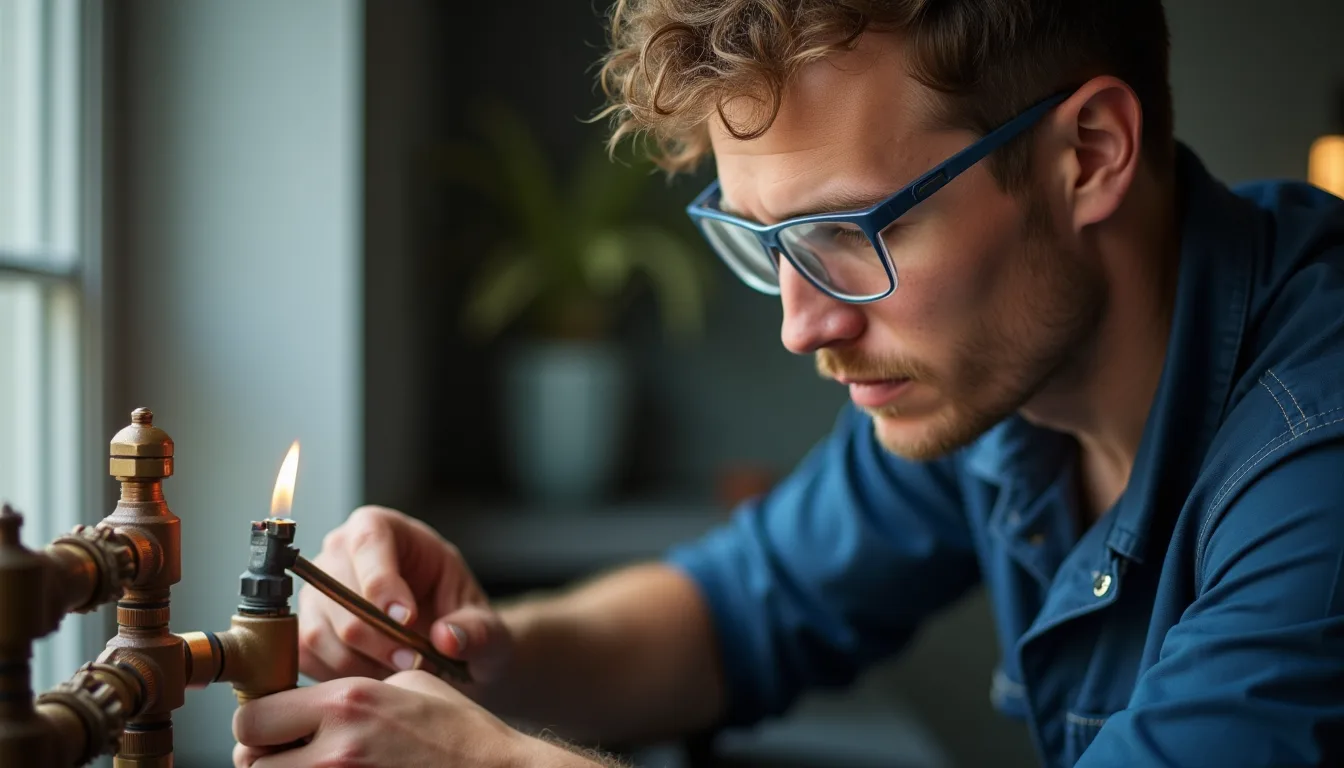
The Future of AC Technology: What's Changing in Orlando by 2026
Published: 2026-04-25 · By ColdPros Air Conditioning Repairs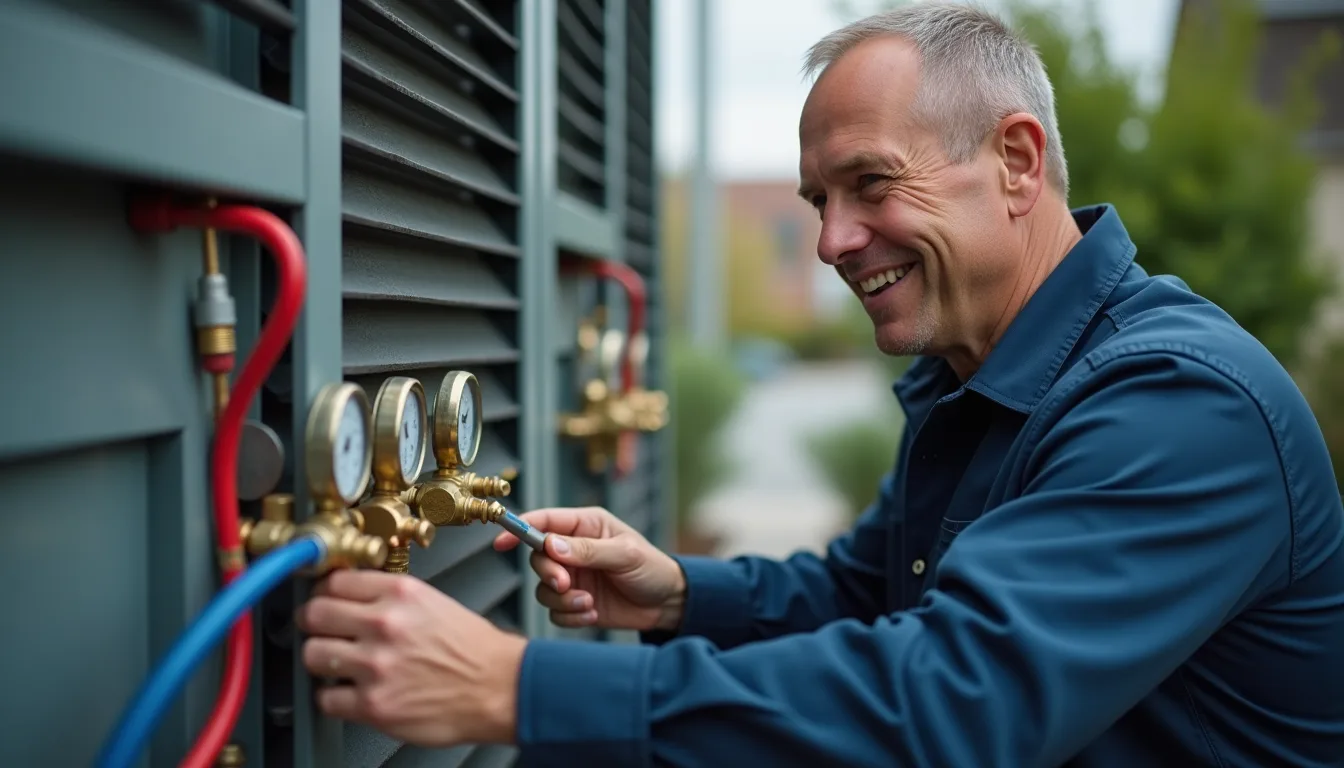
As the sweltering Orlando summer approaches, many homeowners are beginning to think about their air conditioning systems. Imagine waking up in July to find that your AC unit isn't cooling your home as efficiently as it used to. With increasing heat and humidity, outdated air conditioning technology may not cut it much longer. By 2026, individuals in Orlando will need to pay close attention to emerging trends in AC technology that could redefine home comfort, efficiency, and sustainability in this tropical paradise.
Why This Matters for Orlando Homeowners
For Orlando homeowners, the intense summer heat combined with high humidity levels can put a significant strain on any air conditioning system. Unfortunately, many older units struggle to keep homes cool in these demanding conditions, leading to increased energy bills and discomfort. Salt air from nearby coastal winds poses additional challenges, causing corrosion and wear on AC units and metals. The tropical climate also makes roofs and houses susceptible to moisture damage, impacting overall home performance.
Ignoring the signs of an inefficient AC system can lead to costly repairs or replacements, which may be exacerbated by the likely impacts of more frequent hurricanes and tropical storms in the coming years. Ensuring that your cooling system adapts alongside the rapid changes in AC technology isn’t just smart—it’s essential.
Expert Solutions & Actionable Tips
1. Upgrade to Smart Thermostats
Investing in a smart thermostat can greatly enhance energy efficiency. Models priced between $100-$300 can save you significant amounts on your electricity bills—up to 23% according to some reports. In a city like Orlando, where air conditioning is a necessity, the savings are crucial.
Before purchasing, research the compatibility with your current AC unit. Many smart options allow remote access, meaning you can adjust settings while away from home, ensuring your system only runs when necessary.
2. Explore High-Efficiency AC Units
Consider upgrading to high-efficiency AC units, which are designed to perform better in humid climates. Newer models can cost anywhere from $3,000 to $5,000, but they'll pay for themselves through reduced utility bills over time.
By 2026, HVAC systems equipped with advanced technology will likely become the norm. Opt for units with a Seasonal Energy Efficiency Ratio (SEER) rating above 16 for optimal performance in Orlando's climate.
3. Stay Updated on Local Building Codes
Prior to any significant upgrades or installations, familiarize yourself with Orlando's building code regulations. Any new installations must comply with efficiency standards set by the Department of Energy.
Engaging with local contractors will help you navigate the permitting process effectively and guarantee that your AC system meets all legal requirements.
4. Consider Preventative Maintenance
Regular professional maintenance helps extend the life of your cooling system, catching potential problems before they escalate. Expect to spend $75-$150 for a maintenance check, which often pays off by preventing costly breakdowns.
For Orlando’s humidity concerns, ensure your technician checks for issues related to moisture and corrosion. This is especially important for units that are several years old.
5. Utilize Dehumidifiers
Adding a whole-house dehumidifier to your system can improve comfort levels while relieving pressure on your AC unit. Costs generally range from $1,200 to $2,500, but they effectively help manage humidity and prevent mold growth, an essential consideration for homes in Florida.
In tropical storms, excessive moisture is a given. A dehumidifier acts as an ally against indoor humidity levels that often exceed comfort ratios.
6. Invest in UV Light Technology
Opt for UV light systems that can be added to your existing HVAC setup. Prices range from $500 to $1,500 for installation, but they are highly effective in minimizing mold and bacteria that flourish in humid Orlando air.
As air quality concerns become increasingly tied to health, investing in cleaner air solutions is not just wise but necessary for families looking to thrive in Central Florida.
Orlando Climate & Local Context
Orlando's subtropical climate results in high humidity levels year-round, which can significantly impact air conditioning systems. Homes in this region often use elevated structures and moisture barriers to combat the constant threats of water damage and corrosion, particularly along metal fixtures.
Local building codes are specifically geared to addressing humidity and storm-related issues; thus, homeowners are encouraged to stay compliant by regularly updating their cooling systems. This is especially true given the likelihood of stronger storms in the future due to climate change.
With these factors at play, enhancing your air conditioning system’s capabilities becomes not merely a preference but a necessity for maintaining a comfortable home and protecting property investment.
When to Call a Professional
When it comes to air conditioning repairs and maintenance in Orlando, many homeowners face the dilemma of whether to handle issues themselves or seek professional assistance. While a simple air filter change or resetting the thermostat can be done by most people, certain scenarios require calling in the experts.
- Refrigerant leaks—requires specialized knowledge and tools.
- Unusual noises from the AC—indicates potential compressor or fan issues.
- Warm air blowing from vents—could signal a compressor problem or refrigerant issues.
- Frequent cycling on and off—indicates a malfunctioning thermostat or motor problem.
- Water pooling around the unit—could be a serious drainage or leak issue.
- Visible ice on refrigerant lines—indicates improper airflow or refrigerant issues.
By recognizing these red flags, you can avoid further damage and ensure the integrity of your cooling system.
Frequently Asked Questions
What is the average lifespan of an AC unit in Orlando?
In Orlando, air conditioning units typically last around 10 to 15 years, though rigorous humidity exposure can shorten their lifespan.
How often should I have my AC serviced in Orlando?
Regular maintenance every 6 to 12 months is advisable to keep AC systems running efficiently, especially given our humid climate.
What are the common signs that my AC needs repair?
Common signs include inadequate cooling, strange noises, and unusual odors, all of which should be assessed by a professional promptly.
Is it worth upgrading to a high-efficiency AC unit?
Yes, especially in Orlando's heat; high-efficiency models can significantly reduce your energy costs and improve comfort.
Can I install a smart thermostat without professional help?
While some homeowners successfully do this, professional installation ensures full compatibility and optimizes energy savings.
Get Expert Air Conditioning Repair Service in Orlando
As Florida's climate changes, ensuring your air conditioning system is optimized for performance is crucial. To discuss your specific needs and options, don't hesitate to call (689) 212-0954. ColdPros Air Conditioning Repairs is here to assist Orlando homeowners in staying cool and comfortable all year.
Get started on future-proofing your AC system today with expert advice tailored to our unique environment!